

U.S. Manufacturing Sector Analysis: Lending Opportunities in 2026
The U.S. manufacturing sector, which accounts for approximately 10% of GDP according to the Bureau of Economic Analysis, is projected to experience modest but positive growth in 2026 following recent global contraction. This analysis examines key trends, regional growth patterns, and sector dynamics relevant to commercial lending opportunities.
Sector Growth Projections and Drivers
Following a recovery phase from recent volatility, U.S. manufacturing output is forecast to expand moderately in 2026. Growth is concentrated in specific industries including food production, aircraft and defense, oil and gas, computers, electronics, and machinery.
Three primary factors are driving sector expansion:
Reshoring Momentum: Increasing demand for domestically manufactured products is creating capacity expansion requirements and capital investment opportunities across multiple subsectors.
Infrastructure Investment: Ongoing federal and state-level infrastructure programs are generating sustained demand for manufactured goods and supporting related industrial activity.
Federal Incentives: Programs including the CHIPS and Science Act continue to stimulate investment in industrial construction and advanced manufacturing facilities, particularly in semiconductor and technology manufacturing.
Capital Investment in Digital Transformation
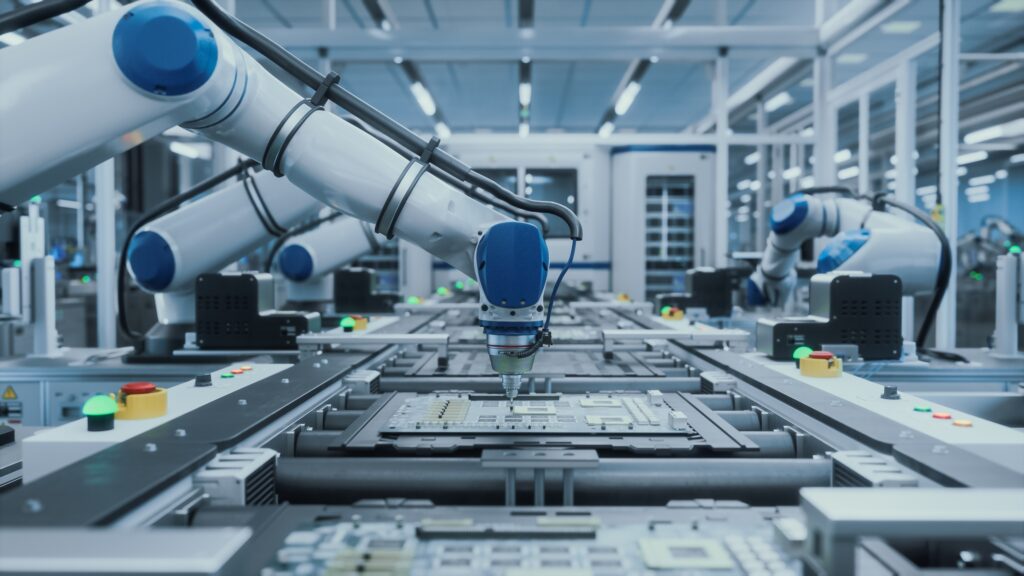
Digital transformation represents a significant capital expenditure category for 2026, with approximately 30% of worldwide spending on digital upgrades projected to occur in process manufacturing operations. This encompasses Industry 4.0 technologies including artificial intelligence (AI), internet of things (IoT), robotics, and digital twin applications.
Survey data indicates that 82% of manufacturing executives view AI as a critical business opportunity for 2026. Companies implementing AI for design, production optimization, and material sourcing are demonstrating superior operational performance, creating potential lending opportunities for technology infrastructure, equipment upgrades, and workforce development initiatives.
The technology adoption trend is generating capital requirements across multiple categories: production equipment modernization, facility automation systems, cybersecurity infrastructure, and employee training programs.
Regional Growth Analysis and Investment Concentration
Manufacturing investment and expansion activity in 2026 shows significant geographic concentration. The following states demonstrate the strongest growth indicators and represent primary markets for manufacturing-related lending:

Texas: Maintains advantages in industrial base scale, land availability, port infrastructure access, and regulatory environment. Growth spans both traditional manufacturing and high-tech sectors, with substantial projects scheduled throughout 2026, particularly in the Houston metropolitan area.
Ohio: Currently leads nationally in announced manufacturing capital investment for 2025-26. Investment concentration is highest in aerospace, electric vehicle manufacturing, and nuclear technology sectors.
Indiana and Wisconsin: Both states demonstrate competitive positioning through lower industrial power costs and strong per-capita manufacturing employment. Active project pipelines exist in machinery manufacturing and biomanufacturing. Wisconsin shows particularly robust per-capita manufacturing workforce metrics.
North Carolina and South Carolina: These states are attracting significant electric vehicle, aerospace, and machinery manufacturing projects through state incentive programs and logistics infrastructure advantages. South Carolina specifically is experiencing major aerospace manufacturing investment.
Kentucky and Georgia: Investment growth is concentrated in clean energy manufacturing, automotive production, and related supply chain operations.
Michigan, Tennessee, Missouri, and Alabama: These states continue to receive manufacturing investment and facility expansions in automotive, defense, and advanced manufacturing sectors.
These geographic concentrations represent markets where manufacturing lending demand is likely to be strongest, supported by state-level economic development incentives, workforce availability, and established industrial infrastructure.
Sector Risk Factors and Capital Requirements
Despite positive growth projections, several risk factors affect manufacturing sector credit quality and capital requirements:
Labor Market Constraints: Approximately 68% of manufacturers report difficulty securing qualified workers. This persistent skills gap is intensifying as technology adoption accelerates, creating potential credit implications related to wage inflation, productivity constraints, and training investment requirements.
Global Trade Volatility: Ongoing trade policy uncertainty, tariff fluctuations, and supply chain disruptions create revenue and margin volatility. Borrowers may require working capital facilities to manage increased inventory requirements or supply chain diversification costs.

Construction Spending Moderation: While facility construction spending exceeded $230 billion nationally in 2024, projections indicate slight contraction in 2026, reflecting cautious capital allocation amid economic uncertainty. This suggests selective rather than broad-based expansion activity.
Cybersecurity Risk: As manufacturing operations become increasingly digitized, cyber risk exposure grows. Manufacturers are allocating capital to risk mitigation strategies including employee training, network segmentation, and cyber insurance. This represents both a credit risk consideration and a potential lending opportunity for security infrastructure investment.
Lending Opportunity Assessment
The 2026 manufacturing environment presents several distinct lending opportunities:
Technology Infrastructure Financing: Digital transformation initiatives require capital for equipment, software systems, facility upgrades, and integration services. These investments typically improve operational efficiency and competitive positioning.
Working Capital Support: Trade volatility and supply chain complexity are increasing working capital requirements. Manufacturers may require enhanced revolving facilities or accounts receivable financing to manage extended payment cycles and inventory positions.
Equipment and Facility Expansion: Regional growth concentrations, particularly in electric vehicle, aerospace, semiconductor, and clean energy manufacturing, are generating equipment financing and real estate lending opportunities.
Workforce Development: The documented skills gap is driving investment in training facilities, apprenticeship programs, and human capital development, creating specialized financing needs.
Supply Chain Resilience: Reshoring initiatives and supply chain diversification strategies require capital for new supplier relationships, inventory buffers, and logistics infrastructure.
Credit Considerations
Manufacturing credit assessment in 2026 should incorporate:
- Technology adoption progress and competitive positioning relative to industry peers
- Geographic location advantages and access to qualified labor
- Supply chain diversification and resilience strategies
- Cybersecurity risk management practices
- Exposure to federal incentive programs and infrastructure spending
- Customer concentration and end-market diversity
- Working capital management effectiveness amid extended payment cycles
Outlook
The U.S. manufacturing sector outlook for 2026 indicates modest growth supported by technology adoption, reshoring momentum, and federal investment programs. While labor constraints, trade volatility, and cybersecurity risks present credit considerations, the sector is experiencing meaningful transformation that creates diverse lending opportunities.
Geographic investment concentration in specific states, combined with technology-driven capital requirements and supply chain restructuring needs, positions manufacturing as a sector with differentiated lending opportunities for institutions with appropriate industry expertise and risk management capabilities.

